VI
VI EN
EN
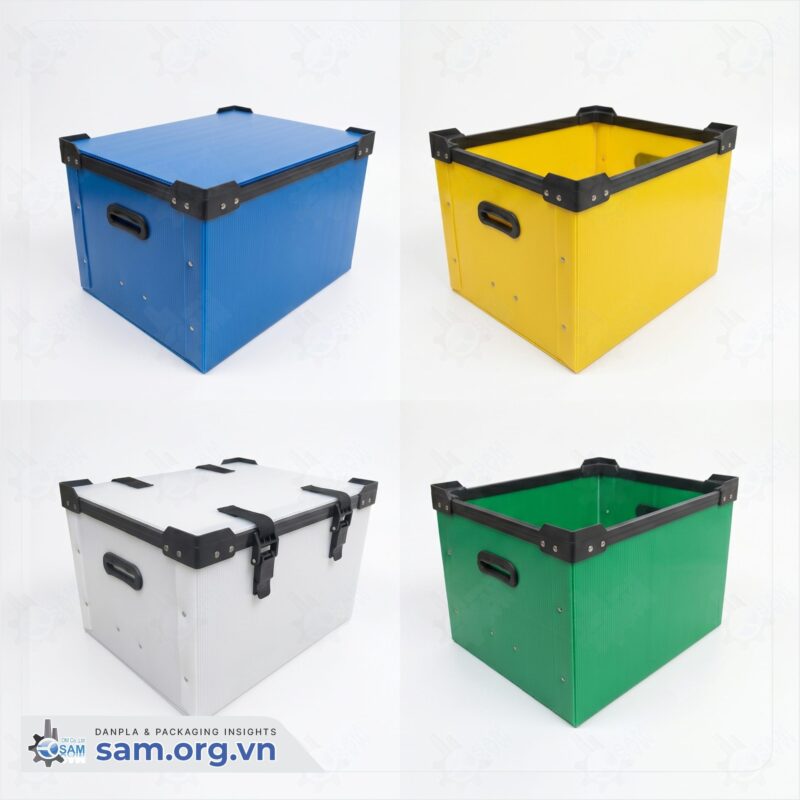
Choosing Lidded or Open Corrugated Plastic Boxes for Your Line
Industrial buyers often face one basic decision. Should you order lidded Danpla boxes or open-top ones? The right answer depends on the goods, the storage method, and the protection you need. Therefore, the wrong choice raises cost and shortens box life.
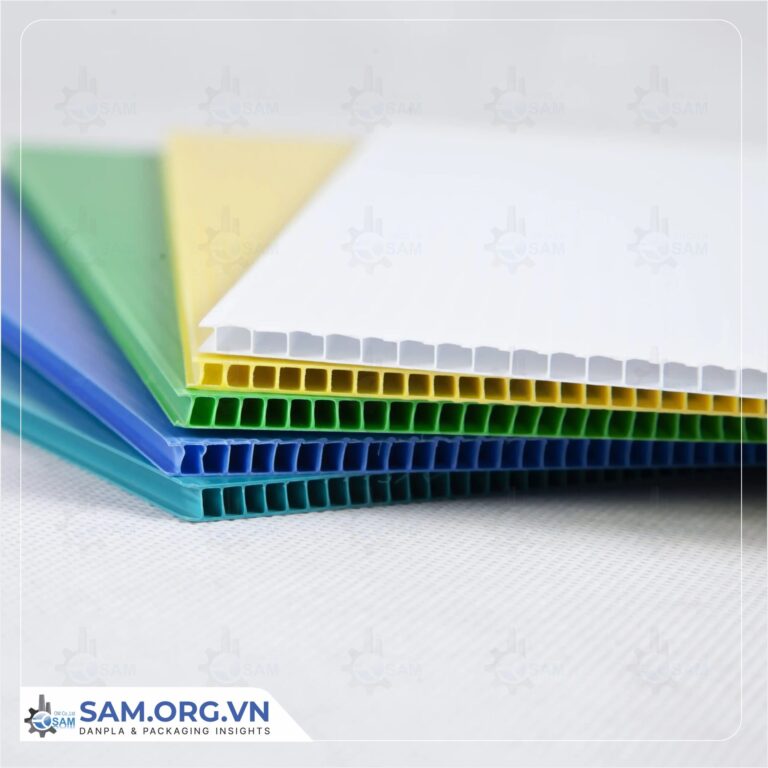
Both types use 100% virgin PP sheet. In addition, the common thickness ranges from 2 to 10mm. We cut every size to fit each production line. However, the key difference lies in the lid and in daily handling.
This guide breaks down structure, pros and cons, and selection criteria for each type. As a result, your purchasing and engineering teams can decide faster. Moreover, the advice draws on real specs and common factory cases. Electronics, logistics, and manufacturing can all apply it.
Lidded Corrugated Plastic Boxes: Structure and Features
A lidded box closes off the top of the container. As a result, the lid blocks dust, resists moisture, and protects the goods. In addition, this type suits high stacking and longer storage. The flat lid also creates a surface for the box above.
Common Lid Types
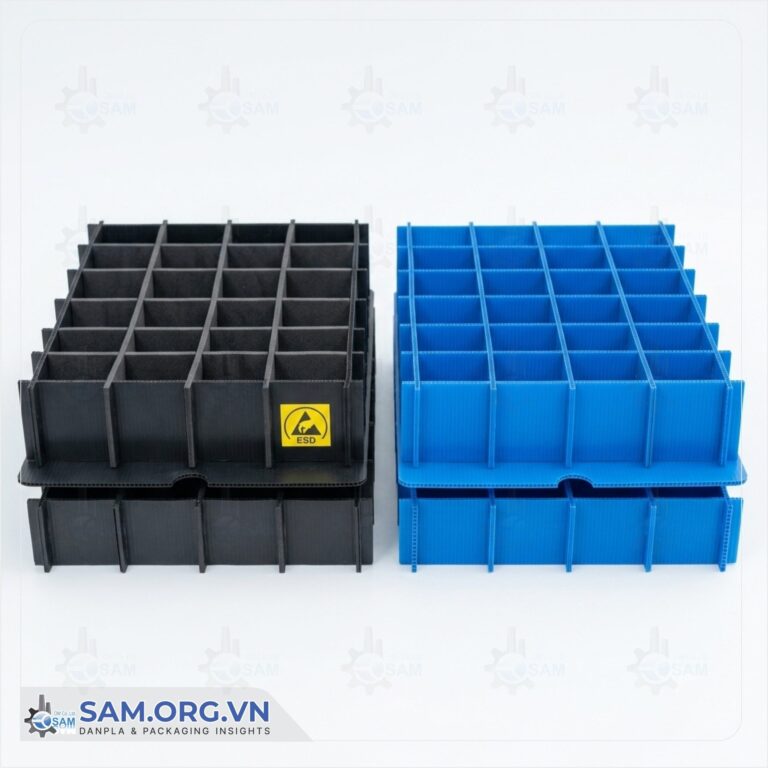
Danpla lids come in a few main styles. For example, an integral lid folds out from the body and saves loose parts. A separate lid drops over the rim, so it is easy to remove during picking. Meanwhile, a tongue-and-groove lid fits tightly for dust-sensitive goods.
Each style differs in cost and handling. For instance, an integral lid closes quickly during batch packing. A separate lid, on the other hand, suits boxes reused over many cycles. Therefore, engineers should choose by how often the box is opened.
Lids also differ in how they lock during transport. For example, some lids have clips or slots for a strap. As a result, a good lock keeps the lid closed under vibration. Moreover, this matters most for goods on long routes.
When to Choose a Lidded Box
Dust-prone goods need a lid to keep surfaces clean. For example, electronic parts, dry food, and pharmaceuticals qualify. In addition, a closed lid limits moisture condensation as weather shifts. For sensitive goods, therefore, the lid is a worthwhile layer.
Export goods on long routes should also use lidded boxes. Because shipments pass many transit points, the dust risk rises. Moreover, sea containers stay hot, humid, and prone to condensation. In these cases, the lid cost is a sound investment.
Batch-packed goods for shipment also favor a lid. For example, items under the flat top stay aligned on the pallet. In addition, the closed box resists crushing during transit. As a result, the load arrives in better shape.
Stacking and Load Capacity
A flat lid matters a lot during multi-tier stacking. As a result, the load from the box above passes to the four walls below. Consequently, the goods inside avoid direct pressure. Therefore, tall, long-term storage should favor the lidded type.
Sheet thickness and flute style also affect strength. For example, a thicker sheet gives a stiffer box with higher load. In addition, reinforcement bars help the box hold its shape under weight. Therefore, the drawing should set thickness by expected load.
A lidded box also protects the top layer from falling dust. For example, overhead work above the rack can drop debris. As a result, the goods stay clean without extra covers. Therefore, tall racks in busy plants often justify the lid.
Open-Top Corrugated Plastic Boxes: Fast to Handle
An open-top box leaves the top uncovered. As a result, workers add and remove goods very fast. In addition, they never stop to open a lid on each move. For this reason, open-top boxes are common on assembly lines.
Advantages for Continuous Handling
Open-top boxes suit line-side part feeding. For example, a worker reaches in for parts without any obstruction. In addition, many boxes have a front cut-out for FIFO picking. Therefore, this layout cuts wasted motion and lifts output.
Open boxes also make visual counting easy. For example, a supervisor sees the remaining quantity at a glance. As a result, restocking happens on time. Moreover, this small benefit helps a lot on a busy line.
The open type is also lighter and cheaper than a lidded box. Because it has fewer parts, the unit cost stays lower. Moreover, empty boxes nest together and save floor space. As a result, plants running many internal loops often prefer reusable corrugated plastic boxes of this kind.
Real Uses on the Factory Floor
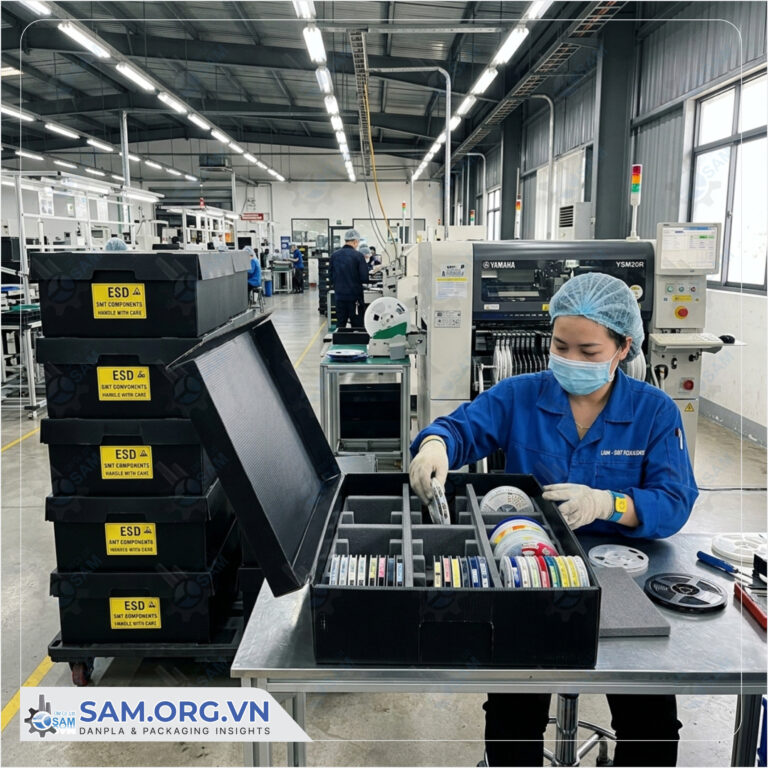
In electronics, open-top boxes often sit right beside the assembly machine. As a result, workers pick parts in rhythm without stopping the line. In addition, machining shops use them for parts still in progress. Sorting areas also choose open boxes to split goods fast.
Dry food and pharma lines, on the other hand, lean toward lidded boxes. Because hygiene and dust control matter more here, the lid helps. In addition, many plants use both types across different stages. For example, open boxes run internally, while lidded boxes handle storage and delivery.
Limits to Keep in Mind
An open top exposes goods to dust and moisture. Therefore, sensitive items need an extra cover or a liner bag. In addition, during stacking the lower goods may take direct load. For this reason, the open type rarely suits tall, long-term storage.
Open-top boxes are also less safe on long trips. For example, vibration can shake goods out of the mouth. For high-value cargo, therefore, this risk matters. Still, inside the plant, the speed advantage usually wins.
Security is a further point for open boxes. Because the top stays open, contents are easy to see and reach. In addition, sensitive shipments may need a sealed cover. Therefore, high-value goods often move to a lidded box.
Need advice on the right box type for your line? Contact SAM’s engineering team — free, no obligation: +84 363 939 228 (Mr. Đạt)
Comparison and How to Choose
No single box type fits every case. Instead, each one is strong for a specific need. The table below sums up the main differences. Therefore, your buyers get a quick reference to compare.
Still, the table is only a starting point. In practice, real goods and real routes decide the final call. For example, one product may need both types at different steps. Therefore, treat the rows as a guide, not a fixed rule.
| Criterion | Lidded box | Open-top box |
|---|---|---|
| Dust and moisture protection | High | Low (needs liner) |
| Handling speed | Moderate | Fast |
| High stacking | Good | Limited |
| Upfront cost | Higher | Lower |
| Long-distance shipping | Suitable | Less suitable |
| Line-side picking | Slower | Optimal |
Four Questions Before You Choose
First, are the goods sensitive to dust or moisture? If so, lean toward a lidded box. Second, will the box work line-side or in storage? For line-side use, therefore, the open top is handier.
Third, will you stack the boxes high? If so, a flat lid carries load far better. Finally, do goods stay internal or go for export? For long export routes, therefore, a closed lid is safer.
Cost Over the Life Cycle
The purchase price is only part of the picture. For example, a durable box that runs many cycles costs less per use. In addition, a lidded box cuts damage and returns because it protects goods well. Meanwhile, the open type saves on upfront spend.
Buyers should count total cost, not just the unit price. Because reuse count and damage rate shape the result, they matter most. For high-value goods, therefore, one lid can save more than it costs. For low-value, short-loop goods, however, the open type wins.
Storage space is another cost worth counting. Because open boxes nest when empty, they free up floor area. In addition, that space has real value in a crowded plant. Therefore, buyers should weigh storage, not just the box price.
Pair Size and Accessories
A lid works only when the box has the right size. For example, choosing corrugated plastic box size by pallet helps you stack tightly and carry load. In addition, box accessories such as corner pieces, handles, and edge bars add strength to both types. As a result, the right mix lets a box run more cycles.
Handles make it safer to lift a heavy box. In addition, corner pieces protect the edges from forklift knocks. Meanwhile, edge bars add stiffness to the walls and base. As a result, these parts clearly extend service life on boxes that run many cycles.
Why Order Corrugated Plastic Boxes from SAM
Choosing the right type is only the first step. In practice, the quality of the lid and joints decides real service life. Moreover, an experienced maker advises the lid style by goods and handling. As a result, customers avoid the cost of re-ordering boxes.
SAM has produced custom Corrugated plastic boxes since 2010. In addition, the plant runs 6 lines with over 150 tonnes per month of capacity. Every box uses 100% virgin PP sheet from 2 to 10mm. Furthermore, both lidded and open types follow the customer drawing.
Quality and Certification
The plant holds ISO 9001:2015 and ISO 14001:2015 certification. In addition, products have passed SGS assessment for export customers. Meanwhile, over 300 customers across 15+ markets rely on this packaging. Familiar names include Canon, LG, and Sumitomo Electric.
Experience since 2010 helps the shop handle many kinds of goods. For example, from small parts to bulky items, each has a packing plan. In addition, the team knows the needs of export and domestic buyers. As a result, the box drawing stays close to real operations.
Technical Support and Samples
The engineering team helps you pick the lid style, thickness, and size. In addition, customers receive a sample before any large order. Therefore, this step lowers the risk of the wrong box. For export goods, early advice also avoids extra packing cost.
Drawings stay on file, so repeat orders run fast and consistent. Moreover, customers can adjust the lid style or size as needs change. As a result, close order tracking keeps lead times steady. This point matters most for lines that run without pause.
Frequently Asked Questions
How much more do lidded boxes cost than open ones?
A lidded box costs more because it uses more material and labor. However, the gap depends on the lid style and sheet thickness. For example, an integral lid costs less than a separate or tongue-and-groove lid. Therefore, an exact quote needs your size and volume.
Can open-top boxes be stacked?
Yes, but the number of tiers stays limited. Because there is no flat lid, part of the load reaches the goods. Therefore, for higher stacks, add reinforcement bars or switch to a lidded box. In tall, long-term storage, a lidded box is safer.
Which type suits export shipping?
Export goods usually need a closed, lidded box. First, the lid blocks dust and limits moisture inside the container. In addition, it keeps goods stable across many transit points. However, for short internal loops, an open top is more convenient.
Can I order a half-lid box?
Yes. In fact, many lines order half-lid boxes to cover part of the top and still pick fast. As a result, this style balances protection and handling speed. We make the half-lid drawing to fit each type of goods.
How many cycles can a corrugated plastic box last?
The count depends on sheet thickness, use, and storage conditions. In general, thicker lidded boxes last through more cycles. Moreover, proper cleaning and gentle handling extend service life. As a result, many customers run boxes for dozens of cycles before replacement.