VI
VI EN
EN
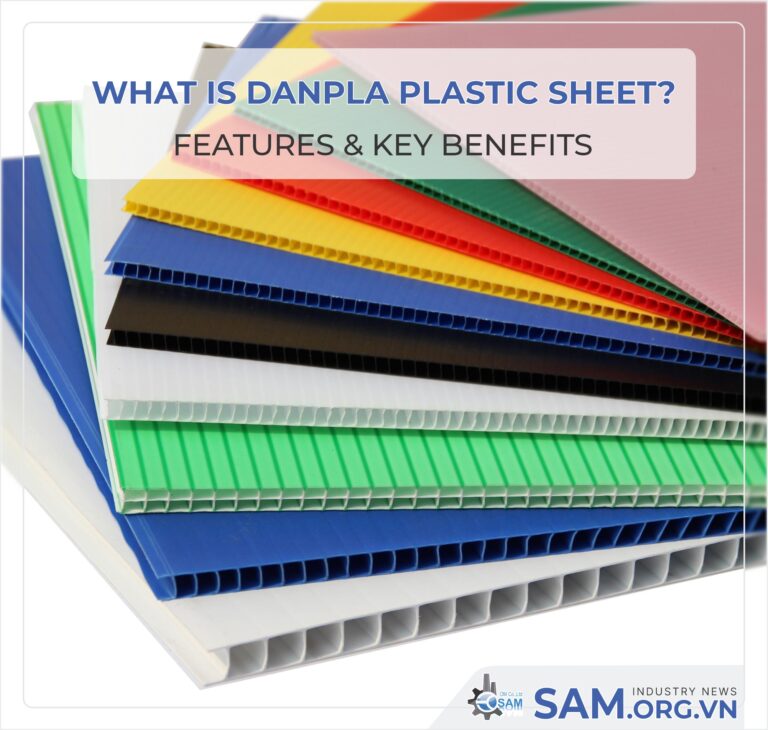
Why Corrugated Plastic Thickness Shapes Your Packaging Results
Choosing the wrong Danpla thickness is a costly mistake. Indeed, a sheet that is too thin dents under stacking. Moreover, a sheet that is too thick adds material cost you do not need. Therefore, B2B buyers want a number that matches the real load.
In short, Danpla thickness drives stiffness, load capacity and service life. Each extra millimetre changes both weight and price. As a result, this guide breaks down every thickness band. Ultimately, the goal is to match the spec to your packaging need.
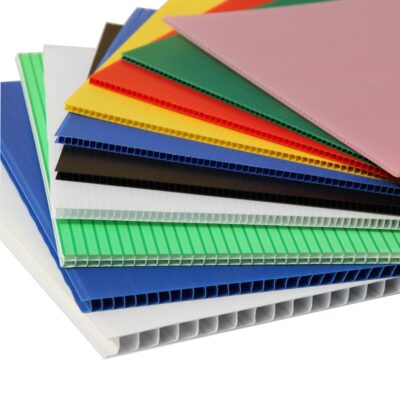
For reference, SAM produces Danpla sheets from 2mm to 10mm. In addition, the maximum width is 2100mm, with over 20 colours and 100% virgin PP resin. Below, you will find how to pick the right thickness for each case.
As a rule of thumb, this saves time during selection. Generally, the heavier the goods and the higher the stack, the thicker the sheet. By contrast, light single-use items call for thinner grades. Next, the sections below turn this rule into concrete numbers.
Common Corrugated Plastic Thickness Bands and Their Traits
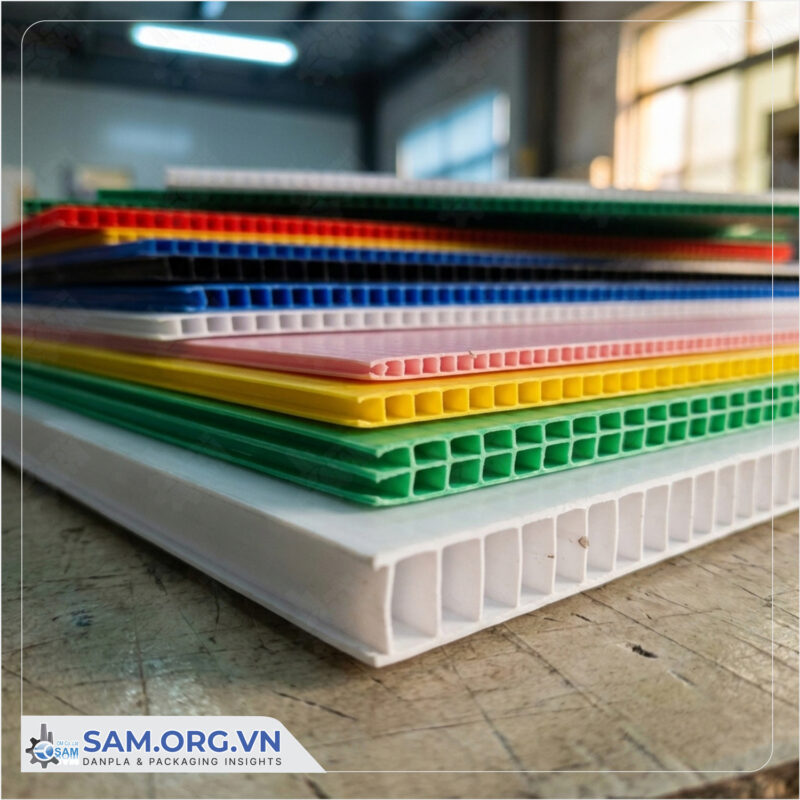
Generally, the market splits Danpla into two groups by load. For example, the thin group serves printing and light packaging. By contrast, the thick group serves boxes, partitions and heavy goods. To go deeper, you can review the types of PP corrugated plastic sheets by structure.
The 2–4mm Band for Light Packaging and Print
First, 2mm is the thinnest option in the common range. Because it is light and easy to fold, it suits liners and simple partitions. For instance, many print shops choose 2mm for signage and paper pallets.
Next, 3mm balances weight against stiffness well. As a result, it is a popular pick for light component boxes. Furthermore, the sheet holds its form without a notable cost jump.
Then 4mm starts to handle a medium load. Specifically, it suits trays, multi-tier partitions and internal returnable packaging. For items under 5kg per cell, 4mm is usually a sensible starting point.
Beyond packaging, the 2–3mm band also serves display and signage work. Because it prints cleanly and cuts easily, designers favour it. Still, it stays too soft for stacked or heavy loads.
The 5–10mm Band for Heavy Loads and Reuse
From 5mm upward, Danpla moves into the load-bearing group. Notably, 5mm is clearly stiffer and sags less when stacked. Consequently, it is the common choice for shipping boxes and heavy partitions.
In addition, 6mm to 8mm serves heavy-duty boxes and plastic pallets. Because it resists impact on long routes, exporters often pick this band. Moreover, it protects high-value goods through transit.
Finally, 10mm is the thickest grade SAM supplies. It barely sags and carries large loads across many reuse cycles. However, thicker sheets are heavier and use more material. Therefore, choose only the thickness you truly need.
Beyond raw thickness, the flute structure also affects stiffness. Because taller flutes resist bending, two sheets at the same millimetre can differ. Therefore, ask about the sheet weight, not only the thickness number.
Choosing Corrugated Plastic Thickness by Application and Industry
Importantly, there is no single right number for every case. Instead, the right thickness depends on product weight, stacking and reuse cycles. Therefore, you should weigh these three factors together.
By Weight and Stacking Method
Typically, light items under 3kg need only 2–3mm. Because one packing layer holds its form, the sheet stays efficient. However, when weight rises to 5–10kg, you should move to 4–5mm.
Furthermore, multi-tier stacking demands more stiffness. Each upper tier pushes load onto the sheet below. As a result, 5mm or more keeps the stack stable in tall racks.
In contrast, items over 15kg or with sharp edges need 6–10mm. Because thick sheets spread force, they resist puncture better. For heavy metal parts, in particular, greater thickness is essential.
Still, treat these figures as starting points, not fixed rules. Because real lines vary, a quick sample test confirms the choice. Therefore, validate the thickness with your actual product before scaling up.
By Industry and Reuse Needs
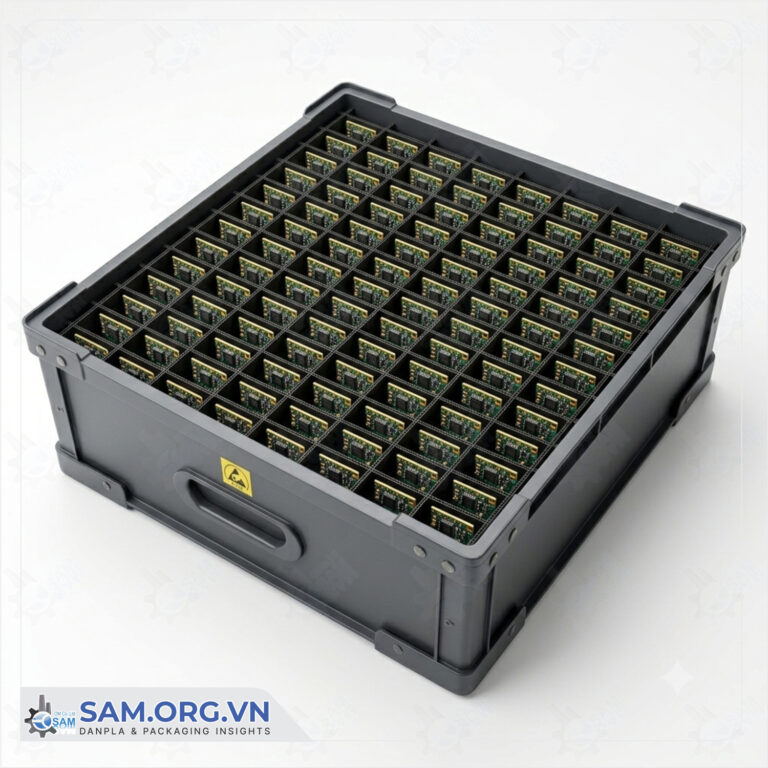
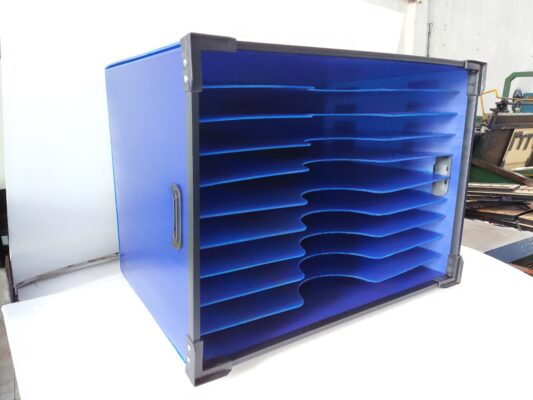
Meanwhile, electronics favours 3–5mm anti-static partitions. Because they protect boards yet stay light, handling is easy. For this use, you can review the Corrugated plastic boxes range.
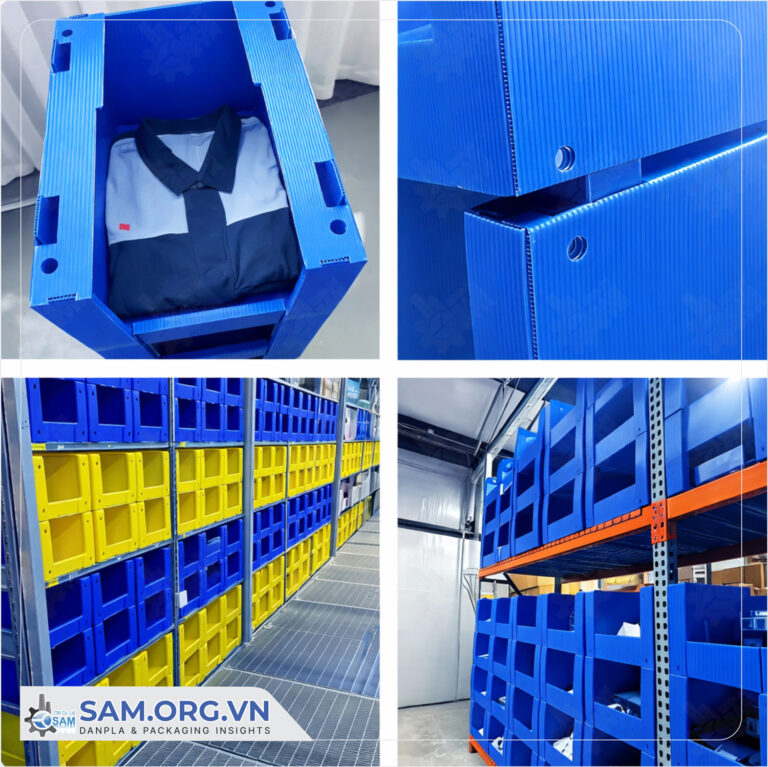
Likewise, logistics and export usually choose 5–10mm. Since long routes demand impact resistance, thicker sheets help. Moreover, multi-cycle returnable boxes need thickness to last.
Conversely, single-use packaging can drop to 2–4mm to save cost. On the other hand, returnable packaging deserves a thicker sheet. Although the upfront cost is higher, reuse cycles offset it.
Separately, food and pharma lines add hygiene rules to the choice. Because smooth, washable surfaces help cleaning, a mid-range 4–6mm often works. In addition, anti-static grades suit sensitive electronic goods.
Weighing Cost per Reuse Cycle
Importantly, sheet price is not the only cost to track. Instead, the figure that matters is cost per reuse cycle. Although thicker sheets cost more, they last for many trips.
Therefore, divide the total box price by the expected cycles. For example, a 5mm box used 30 times often beats a thin box replaced constantly. As a result, returnable packaging deserves this fair comparison.
Furthermore, durability affects hidden costs too. Because sturdy boxes cut product damage, claims and rework fall. In addition, fewer replacements mean less storage and ordering effort over time.
Need technical advice tailored to your production line? Contact SAM’s engineering team — free, no obligation: +84 363 939 228 (Mr. Đạt)
Why Choose SAM Corrugated Plastic Sheets for Your Project
Admittedly, picking the right thickness is only half the task. The other half is sheet quality and production capacity. Here, in fact, is where a supplier makes the difference.
Production Capacity and Certification
To begin, SAM was founded in 2010, with over 16 years in Danpla packaging. Furthermore, the plant runs 6 lines and over 150 tonnes per month. As a result, it handles large orders with reliable lead times.
Moreover, every sheet uses 100% virgin PP resin. The products meet ISO 9001:2015 and ISO 14001:2015 standards. In addition, the system passed SGS assessment and serves over 300 clients across 15+ markets.
On top of that, SAM exports to demanding markets such as the US, Japan and Australia. Because these buyers expect tight tolerances, quality control stays strict. Consequently, the same standards apply to every order, large or small. In practice, this consistency is what repeat buyers value most over the long term.
Custom Specs for Each Project
Naturally, every project carries its own load demand. Therefore, SAM advises on thickness, colour and size for real needs. With a 2100mm width and over 20 colours, options stay wide. To explore the full range, see the Corrugated plastic sheets page.
Beforehand, the engineering team reviews your line before suggesting specs. Consequently, this avoids both over-spec and under-spec sheets. In the end, the packaging stays durable while the cost stays optimal.
For example, some clients need a specific colour for line coding. Others require a tight width to fit existing racks. Because SAM controls its own extrusion, such requests stay feasible.
Beyond Danpla sheets, SAM also supplies boxes, partitions, EVA foam and accessories. As a result, clients standardise their whole packaging solution at one source. Moreover, matching the materials becomes faster and more consistent.
Frequently Asked Questions on Corrugated Plastic Thickness
What are the thinnest and thickest corrugated plastic sheets?
Generally, SAM produces Danpla sheets from 2mm to 10mm. The 2mm grade suits light packaging and printing. By contrast, the 10mm grade suits heavy-duty boxes and repeated reuse.
Which thickness suits electronics packaging?
Typically, electronics partitions use 3–5mm. Because this band is stiff enough yet light, it protects boards well. However, for heavy or sharp-edged parts, you should move up to 6mm.
Is a thicker sheet always better?
No. In fact, an over-thick sheet adds weight and material cost. Instead, choose a thickness that just matches your real load and reuse cycles.
Can I order custom thickness and colour?
Yes. Specifically, SAM customises thickness within 2–10mm, up to 2100mm width and over 20 colours. Moreover, the engineering team advises on specs that fit your line.