VI
VI EN
EN
Corrugated Plastic Box Structure Decides Strength and Load
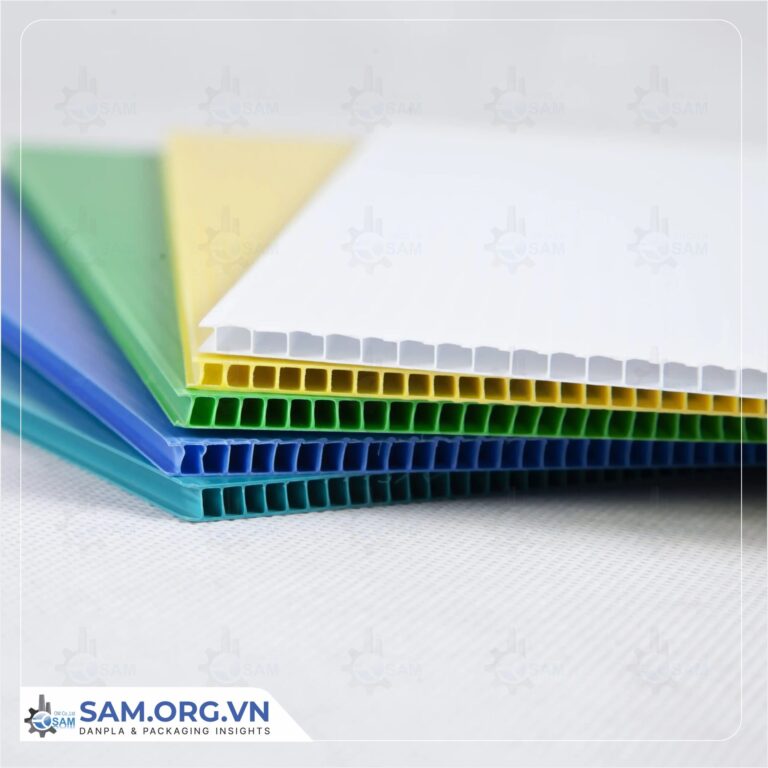
Corrugated plastic, also known as Danpla, coroplast, correx or corflute, is a hollow fluted PP sheet. A strong box, however, does not come from thicker material alone. Instead, it comes from how the structure is arranged. Four parts decide the load rating: ribs, base, walls and lid.
Buyers often ask only about sheet thickness. However, two boxes at the same 4mm can differ in service life. The gap comes from flute direction, corner folds and edge reinforcement. Therefore, these details deserve attention early.
This article breaks down each structural part of the box. As a result, your purchasing and engineering teams can read a box drawing. In turn, they can order the right spec on the first try. This approach cuts sample rounds and shortens the time to close an order.
Ribs and Flute Direction in the Box Body
A corrugated plastic sheet has two liners and vertical flutes between them. These flutes run parallel in one direction. Moreover, that direction is the strongest axis under compression. When the flutes point the wrong way, the wall gets weaker.
The flute also gives the sheet its hollow, twin-wall build. Because the core is hollow, the box stays light for its strength. Moreover, that same core resists moisture better than solid board. Therefore, structure and material work together here.
Vertical Flutes for Stacking Loads
When boxes stack on top of each other, load travels straight down. Therefore, flutes should run vertically along the wall height. In this way, each flute acts like a small column. As a result, thousands of small columns share the compression.
Boxes for heavy goods should favor vertical flutes. For example, boxes holding metal parts or machined components. In contrast, horizontal flutes let the wall buckle under load. This principle mirrors the flat sheet. You can read more on the fluted core of corrugated plastic sheets to see why the material stays light yet strong.
Fold Ribs and Edge Reinforcement
Edges and corners face the highest stress. A sharp fold, therefore, forms a natural rib at that point. The fold must run across the flutes so the wall does not crack. When folding is done correctly, the edge stays straight and stiff.
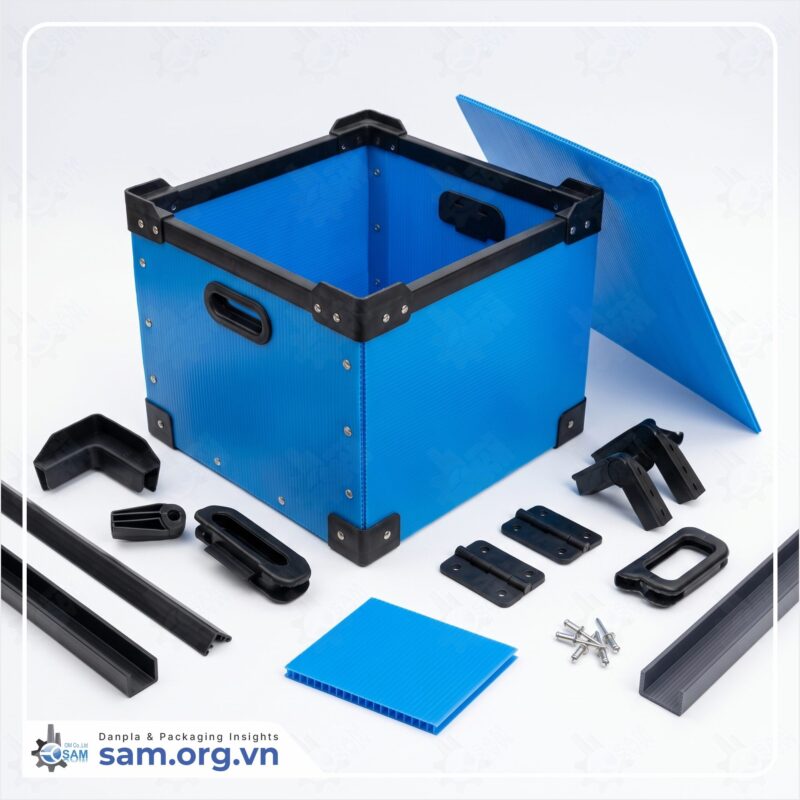
For large or heavy boxes, a plastic edge bar can sit at the rim. This bar locks the two liners together and stops edge splitting. In addition, plastic corners help the box hold a square shape after many uses. These parts belong to the reinforcement group, not the main body.
A fold line can come from a hand score or a die-cutting tool. A die gives even, uniform creases across a large run. In contrast, hand scoring fits small orders and samples. Even folds, therefore, keep edge stiffness consistent from box to box.
Sheet Thickness and Flute Height
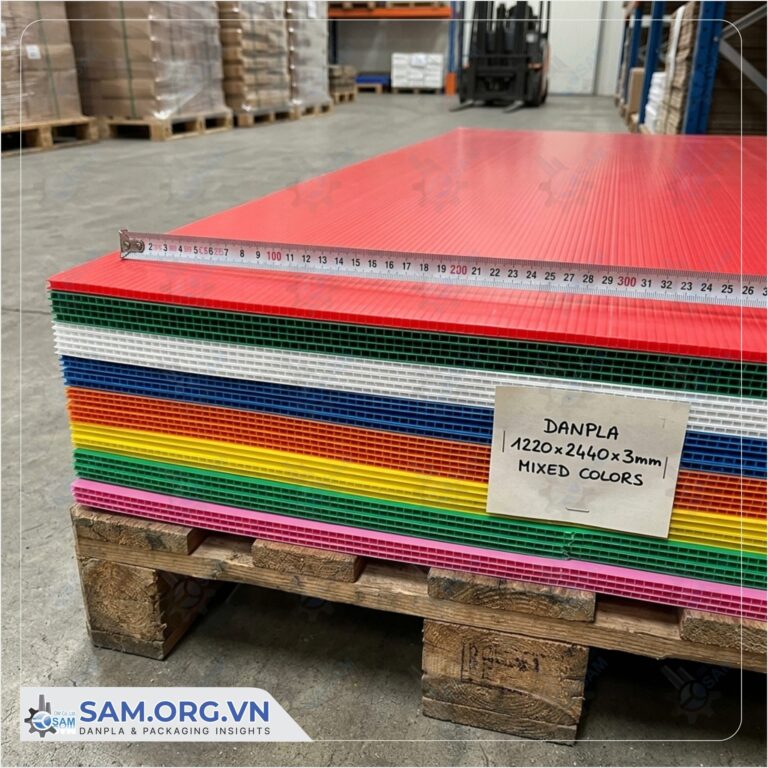
Sheet thickness sets the height of the inner flutes. A taller flute, therefore, resists bending more. For that reason, a 5mm sheet gives a stiffer wall than a 3mm one. Still, extra thickness cannot fix a wrong flute direction.
Sheet weight also tracks with rib stiffness. Two sheets at the same thickness can differ in liner weight. A heavier liner, moreover, keeps the flute stable under repeated loads. Therefore, weigh both thickness and grammage when you fix the structure.
Base and Walls: Where the Load Sits
The base carries the full weight of the goods inside. Consequently, it is the first part to fail when the design is wrong. The base structure decides whether a box sags or bursts during handling.
Base Types: Lock, Glue and Loose Layer
A lock-bottom base uses interlocking flaps. This type assembles fast and needs no glue. Therefore, it suits light to medium loads. Its weakness is that the flaps can pop open beyond that limit.
A glued or heat-welded base gives a firmer joint. As a result, it handles heavy loads and lasts longer. For very heavy loads, moreover, a loose reinforcing base layer is the safe choice. Base thickness should match the weight and the handling method.
The handling method also decides where load hits the base. A box on a pallet takes force along the deck boards. In contrast, a forklift concentrates force on two forks. Therefore, a base that meets the forks needs an extra reinforcing layer to avoid punch-through.
Temperature and moisture also shape base choice over time. For example, damp storage can soften a glued joint. In contrast, welded joints hold up better in humid rooms. Therefore, name the storage conditions when you set the base type.
Walls and Keeping the Box Square
Walls take the outward push from the goods inside. In addition, they carry compression during stacking. Wall stiffness comes from sheet thickness and vertical flutes. Therefore, tall narrow boxes need stiffer walls than short wide ones.
When walls are too soft, the box bulges and loses stackability. Internal partitions, however, split the load and keep the box square. Box size also affects wall stability. For that reason, choosing box size by product and pallet should go together with structural design.
Reading the Base and Wall Drawing
A good structural drawing states a few core specs. For example, it should note sheet thickness and flute direction for each face. In addition, it should show the base type and the number of reinforcing layers. The accessory list, moreover, should appear clearly on the drawing.
When a quote arrives, purchasing should check these items. A missing item often leads to a wrong load assumption. Storage conditions, such as humidity and dwell time, also belong on the note. Therefore, asking early prevents failed samples and late delivery.
Need technical advice on flute direction and base type for your load? Contact SAM’s engineering team, free and with no obligation: +84 363 939 228 (Mr. Đạt)
Lid and Accessories That Lock the Structure
A lid does more than block dust. In stacked boxes, moreover, the lid transfers compression down to the four walls. A flat, snug lid spreads the load evenly. In contrast, a loose or curved lid pushes force onto one edge.
Integral, Removable and Hinged Lids
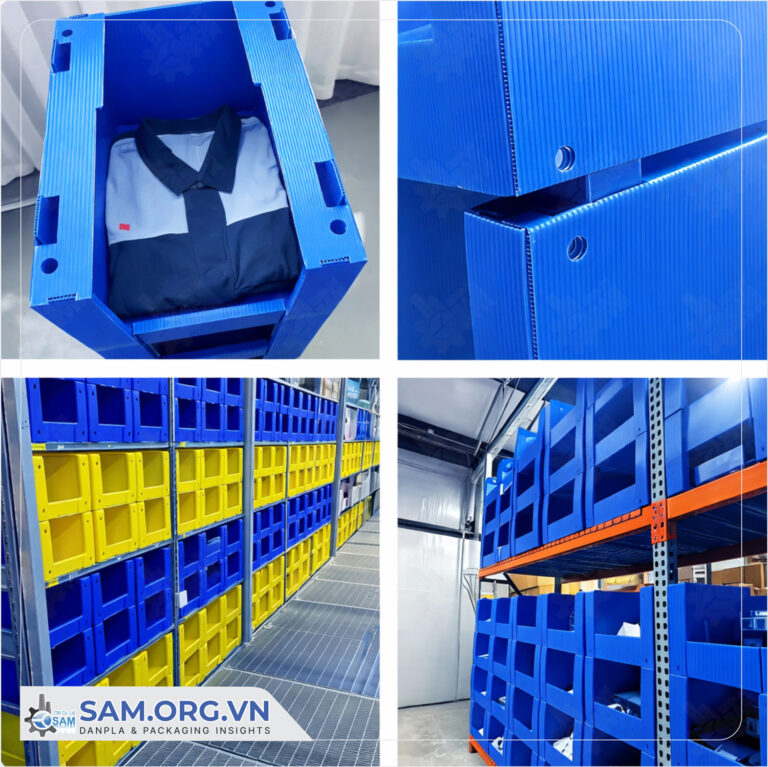
An integral lid folds from the box body itself. Therefore, it stays closed and never gets lost. A removable lid lifts off fully, which speeds up packing. A hinged lid opens halfway, so it fits frequent picking.
Lid choice should follow the warehouse process. When a box needs sealing, an integral lid is better. However, for boxes that cycle internally, a removable lid is handier. The lidded versus open box comparison covers this in detail.
Lid overlap depth also affects how the box stacks. A deeper skirt, for example, grips the walls and resists sway. In addition, it guides the load straight down through the corners. Therefore, set the overlap depth together with the stack height.
Locking and Positioning Accessories
Accessories help the structure hold its shape across many cycles. For example, fixed and swivel plastic corners lock the edges together. Handles also reduce edge damage when workers lift the box. In addition, a rim bar stops the two liners from splitting.
These parts are small, yet they strongly affect service life. Therefore, a good reusable box often owes its life to the right accessories. Purchasing teams should ask for the full accessory list when ordering. This list usually includes bars, corners and handles.
A short accessory drawing helps the warehouse team too. For example, it shows where each corner and handle sits. As a result, assembly stays the same across shifts. Therefore, fewer boxes get built the wrong way.
How accessories attach must also match the box structure. For example, rivet or weld points should avoid crushing the flutes. When accessories sit at real load points, moreover, the box lasts through many cycles. Therefore, agree these details with the factory at the drawing stage.
Box Structure Manufacturing at SAM
A good structural drawing still needs a capable factory. The folds, rib positions and accessories must line up on the line. SAM produces corrugated plastic boxes and partitions to each customer’s own size and load rating.
The plant runs 6 lines across 5,000 m² with over 150 tonnes per month. As a result, it can build samples fast and hold quality steady in large runs. The raw material is virgin PP, and the sheet thickness ranges from 2 to 10mm.
Quality Control to ISO Standards
The process is certified to ISO 9001:2015 and ISO 14001:2015. Therefore, every batch is checked for folds, joints and squareness. More than 300 customers across 15 export markets rely on these boxes. Many of them work in electronics and mechanical industries.
For each new order, moreover, the engineering team advises on flute direction and base type. In this way, customers avoid picking the wrong structure at the drawing stage. As a result, sample rounds drop and lead times stay stable.
Beyond the structure check, every batch is compared against the source drawing. For example, size tolerance and squareness stay within agreed limits. As a result, boxes from different runs still fit together. This consistency, moreover, matters for customers who run boxes on a line.
Frequently Asked Questions on Box Structure
Should corrugated plastic flutes run vertically or horizontally?
For stacked, load-bearing boxes, flutes should run vertically along the wall height. In this way, each flute works like a compression column. In contrast, horizontal flutes only suit boxes that fold flat and carry light loads.
How much load can a corrugated plastic box hold?
Load depends on sheet thickness, flute direction and base type, so there is no fixed number. Sheets from 2 to 10mm cover a wide load range. Therefore, the engineering team rates the load from your real size and stacking pattern.
Is corrugated plastic the same as Danpla or coroplast?
Yes, they are the same material sold under different regional names. The trade name changes by market, however, while the fluted PP structure stays the same. Therefore, the box structure rules in this article apply regardless of the local name.
Can a corrugated plastic box be reused many times?
Yes, a box with the right structure can run through many cycles. For example, corner pieces and rim bars keep the box square after each use. Service life, however, depends on load, storage and the number of fold-open cycles.