VI
 EN

Buying Corrugated Plastic Sheets Starts With the Right Specs
Many corrugated plastic orders arrive wrong because the request leaves out key details. For example, a buyer asks for a 5mm white sheet. However, the maker also needs the weight, the size and any additive. As a result, the sheet can turn out too soft or too stiff for the real job.
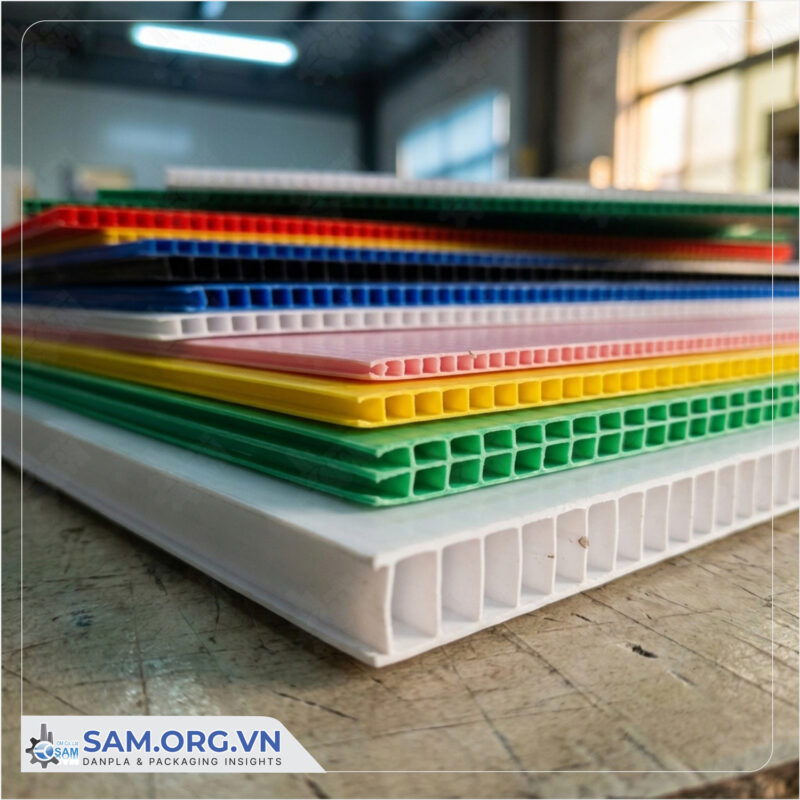
Corrugated plastic, also known as Danpla, coroplast, correx or corflute, is a hollow fluted PP sheet with a ribbed core between two flat faces. Therefore two 5mm sheets can differ in stiffness when their weight differs. In short, a clean order must state four groups of specs. These are thickness, weight, size and additives.
This guide gathers the specs you should fix before ordering, how to send a custom-size request, and how to judge a supplier. In addition, it helps a B2B buying team get the order right the first time. The sections below cover each group in turn.
Buying well is a procurement decision, not only a technical one. Therefore the cost of a wrong batch includes rework, delay and wasted freight. For that reason, a short checklist up front pays off quickly. The rest of this guide turns that checklist into concrete questions.
Specifications to Define Before You Order
Each sheet is defined by a few measurable specs. Moreover, knowing them speeds up the quote and avoids confusion between both sides.
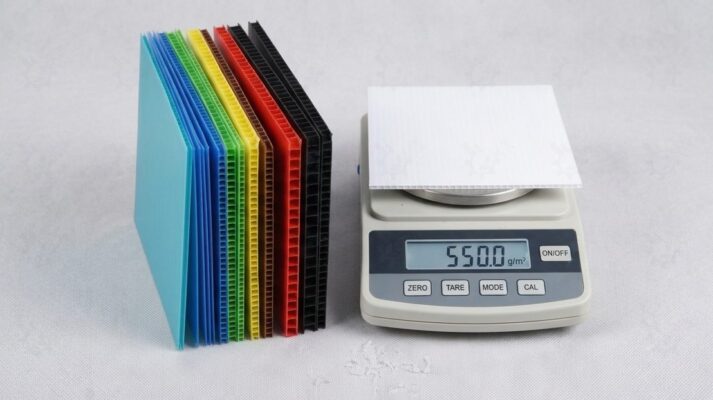
Thickness and weight go together
Common thickness runs from 2 to 10mm. This spec drives overall stiffness and how well the sheet folds. However, two sheets of the same thickness can still differ in stiffness. The deciding factor is weight, measured in grams per square meter (gsm).
A higher weight means more plastic over the same area. Therefore the sheet is heavier, stiffer and better at carrying load. When you order, you should state both the thickness and the target weight. If you are unsure, describe the use case so the maker can advise. For more detail, see our guide on corrugated plastic sheet GSM.
As a rule of thumb, light dividers use a thin, low-weight sheet. Reusable boxes and layer pads, by contrast, need more body. For example, a 4mm sheet at a higher weight folds into a sturdy box. Therefore it helps to start from the load and the number of reuse cycles, then work back to the spec.
Sheet size and cutting tolerance
A common standard size is 1220 x 2440mm, similar to an industrial board. Meanwhile, the widest sheet made is 2100mm, with length cut to order. For a custom size, you must state whether width or length comes first. Also note the flute direction, because it affects the fold line and stiffness.
Every material has a cutting tolerance. Therefore you should agree an allowed tolerance with the supplier, usually a few millimeters. For precise assembly jobs, a tighter tolerance raises the cost. For reference, see standard corrugated plastic sheet sizes to pick an efficient format.
Color and technical additives
Corrugated plastic comes in more than 20 standard colors. For instance, color is used not only for branding but also to sort stock in the warehouse. Beyond color, some orders need technical additives. A UV additive keeps the sheet stable outdoors. An antistatic additive, in contrast, suits the electronics sector.
When you send a request, you should state the use environment clearly. Sheets for outdoor use, cold storage or near electronic parts each need a different setup. As a result, this information decides the resin grade and the additive blend.
Surface finish matters too when the sheet will be printed. For example, a corona-treated face holds ink far better. In addition, a matte or glossy look can be specified at the start. Therefore you should mention any printing plan at the quote stage, not after.
Ordering Custom Sheets: Details, Volume and Lead Time
Corrugated plastic is rarely sold as one size for every need. Instead, most B2B orders are cut to a custom size. Therefore a clear request shortens the quoting time.
What a complete quote request includes
A complete request should carry six items. First, the thickness and weight. Second, the finished size with its tolerance. Next, the color by code or sample. Then, any technical additive if needed. Finally, the quantity and the fabrication work, such as die-cutting, folding, punching or printing.
The clearer the request, the closer the quote. In addition, if you have a drawing or an old sample, you should send it along. The technical team then uses it to confirm feasibility. As a result, this step prevents errors once mass production starts.
A short sample run is also worth the small extra cost. For instance, it lets you check the fold, the print and the fit on real goods. Therefore many buyers approve a sample before the full order. Meanwhile, the maker locks the exact setup used for that sample.
Minimum order and production time
The minimum order depends on the color and the setup. For example, a standard color with stock resin usually allows a low minimum. A custom color or a special additive, however, needs a larger run to use the machine well. Meanwhile, production time shifts with the season and the order complexity.
You should ask about the lead time before you lock a delivery plan. For steady repeat orders, both sides can agree a buffer stock. As a result, this keeps supply stable without tying up too much cash. Extra fabrication also adds time, so flag it early to help scheduling. For the steps involved, see how we fabricate corrugated plastic sheets.
A rolling forecast helps the supplier plan resin and machine time. For instance, a three-month view lets them reserve the right color in advance. Therefore your urgent orders face fewer delays. In addition, a shared forecast often unlocks a better tier price, since the run is easier to schedule.
Optimizing cost by volume and setup
The price per square meter drops as the volume rises. Moreover, grouping several items into one color and weight keeps the run continuous. Therefore the setup cost is spread across more sheets. In addition, choosing a format with little trim waste saves raw material.
Another approach is to standardize a few specs shared across product lines. As a result, logistics stay simpler and reordering is faster. Before you commit, you should ask for a price table by volume tier.
Freight is part of the real cost as well. For example, flat sheets ship more densely than finished boxes. Therefore some buyers ship sheets and fold them near the point of use. In short, the landed cost, not the sheet price alone, should guide the choice.
Need technical advice tailored to your production line? Contact the SAM Packaging engineering team, free and with no obligation: +84 363 939 228 (Mr. Đạt)
What to Check When Choosing a Supplier
The lowest price is not the only criterion. Instead, a supply that stays consistent in quality lowers the total cost of ownership.
Raw material quality and batch consistency
The first factor is the base resin. For instance, sheets from virgin PP hold their strength and color better. Sheets with a lot of recycled resin, however, tend to be brittle and to drift in color between batches. For reusable packaging that runs many cycles, material strength directly affects service life.
Therefore you should request samples and check consistency between deliveries. A good supplier keeps the weight stable across every batch. In contrast, a large weight deviation shows a loose process. Moreover, stable color across lots keeps your own sorting system reliable over time.
Fabrication capability and certifications
Beyond raw sheets, many orders also need fabrication. Therefore a supplier with an in-house cutting shop stays more in control of the schedule. A system certificate such as ISO 9001:2015 shows a clear quality process. For export goods, buyers often ask for SGS testing and a material file as well.
You should also judge the technical advice on offer. For example, a partner who understands the application can suggest a cheaper setup. For the full criteria, see our guide to choosing a corrugated plastic manufacturer, which applies to sheets too.
Capacity is worth a direct question as well. For instance, a plant with several lines can absorb a demand spike without a long queue. Therefore it recovers faster when one line is busy. Meanwhile, a very small shop may struggle once your volume grows.
After-sales service and order flexibility
Real demand shifts with the season and with your own customers. Therefore a supplier flexible on volume and schedule will partner for longer. In addition, a return policy for defects and after-sales support both matter. You should review these terms before placing a first large order.
Communication speed is easy to overlook, yet it decides many problems. For example, a quick reply on a spec change can save a shipping window. Therefore a named technical contact is worth more than a generic inbox. Meanwhile, clear documents keep both sides aligned on each revision.
SAM Packaging Corrugated Plastic Sheet Capability
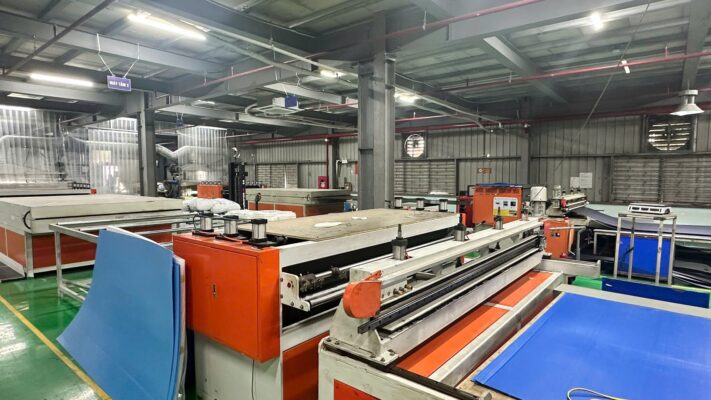
Founded in 2010, SAM makes corrugated plastic sheets and PP packaging. After more than 16 years, the factory reaches over 150 tons per month across 6 lines. Moreover, the plant covers about 5,000 square meters. As a result, this scale handles both small orders and large runs.
The material is 100% virgin PP, which gives stable color and strength between batches. In addition, the system holds ISO 9001:2015 and ISO 14001:2015, plus SGS testing for export goods. Each batch is checked for weight and size before delivery. The range covers more than 20 colors, 2 to 10mm thickness and widths up to 2100mm.
Today the products serve more than 300 customers and ship to over 15 markets. For example, electronics clients such as Canon, LG and Sumitomo Electric set high bars for cleanliness and consistency. Therefore this experience helps the team advise the right setup per sector. You can view the full spec range on the corrugated plastic sheets page.
The engineering team supports every step, from resin choice to cutting drawings. For custom orders, production confirms the tolerance and lead time before the run. As a result, this lowers the risk of a mass error.
Frequently Asked Questions
Is corrugated plastic the same as Danpla or coroplast?
Yes. Corrugated plastic, coroplast, correx and corflute all name the same hollow fluted PP sheet. The names simply differ by region and brand. Therefore buyers in different markets may use different words for one product.
What details do I need to buy corrugated plastic sheets?
You should state the thickness and weight (gsm), the finished size with tolerance, the color, any additive, the quantity and the fabrication work. In short, the clearer the request, the faster and more accurate the quote.
How do thickness and weight differ?
Thickness is the depth of the sheet, from 2 to 10mm. Weight, by contrast, is the mass of plastic per square meter, measured in gsm. As a result, two sheets of the same thickness can still differ in stiffness.
What is the largest sheet size available?
The widest sheet made is 2100mm, with length cut to order. Meanwhile, a common standard size is 1220 x 2440mm. For custom needs, sheets are cut to the buyer drawing.